


Outpatient
service offerings
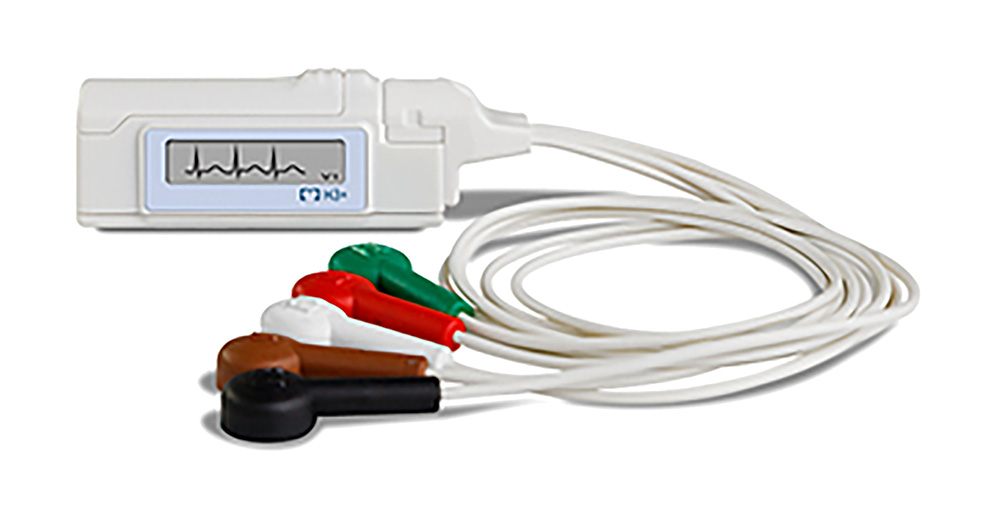
Holter-ECG
The Holter ECG allows the recording of an electrocardiogram over a period of 24 hours to a maximum of 7 days. Patients wear an ECG device directly on their body during this time. It records the electrical activity of the heart in curves.
Use:
The Holter ECG is used to diagnose arrhythmias and fainting (syncope). A long-term ECG is also important for monitoring therapy (e.g. after treatment of cardiac arrhythmias, especially ablation of atrial fibrillation).
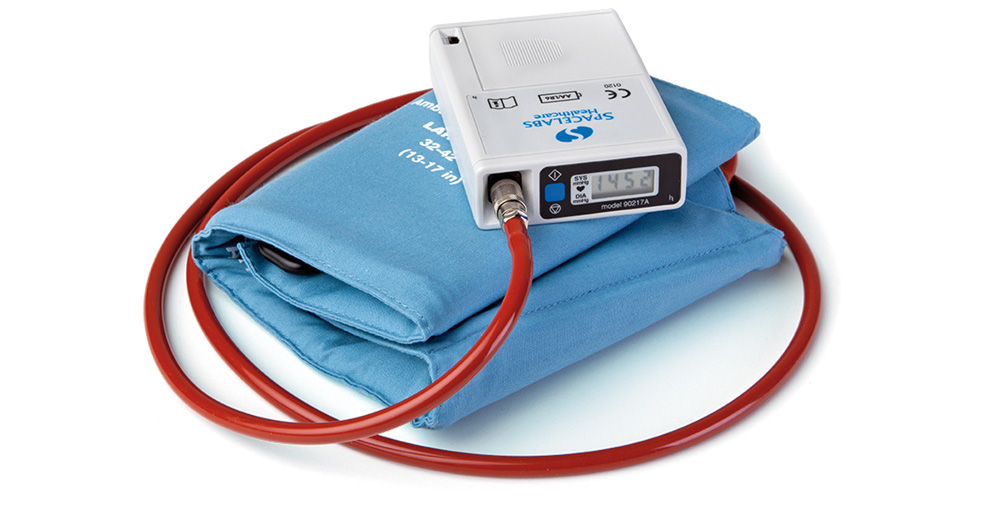
24 h blood pressure measurement
Long-term blood pressure monitoring automatically records blood pressure over 24 hours at 20-60 minute intervals. Patients wear a blood pressure cuff on their arm and the monitor on their body - with virtually no restriction of movement.
Use:
Documentation of blood pressure changes during the day and at night is crucial for the diagnosis of hypertension and its treatment/therapy optimisation.
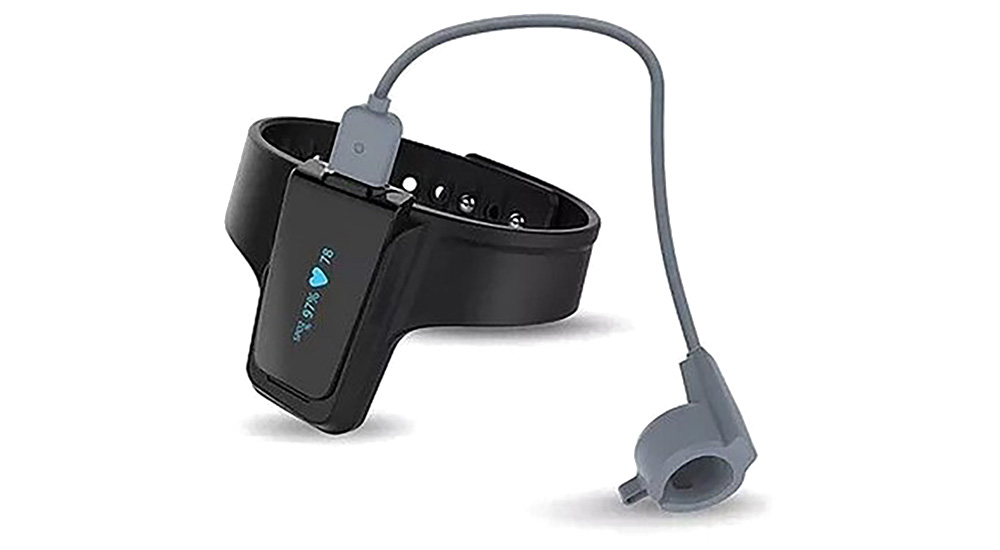
Pulse Oximetry
Pulse oximetry is a non-invasive method of measuring arterial oxygen saturation in the blood. The measurement is made percutaneously by absorption or emission of light. A saturation sensor (clip) is attached to the body (e.g. index finger) where it is easily accessible.
Application:
Monitoring arterial oxygen levels is becoming increasingly important clinically. In particular, sleep apnoea syndrome can be diagnosed this way.
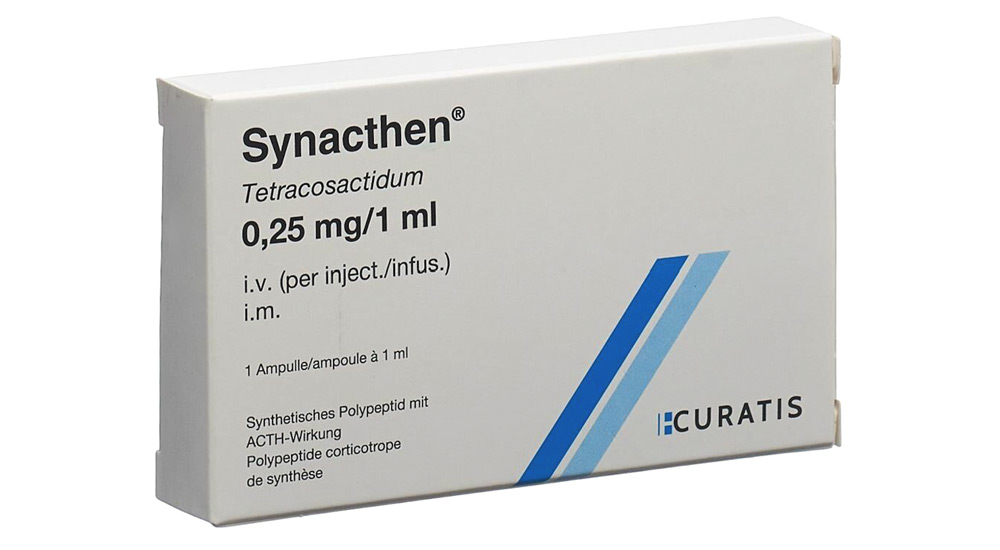
Endocrinology tests
Do you suspect adrenal insufficiency or hypercortisolism, hypogonadism or acromegaly and would like a screening test to help you make a decision? We conduct the Synacthen, GnRH, Dexamethasone suppression and HGH suppression test as well as the 75g Oral Glucose Tolerance Test.